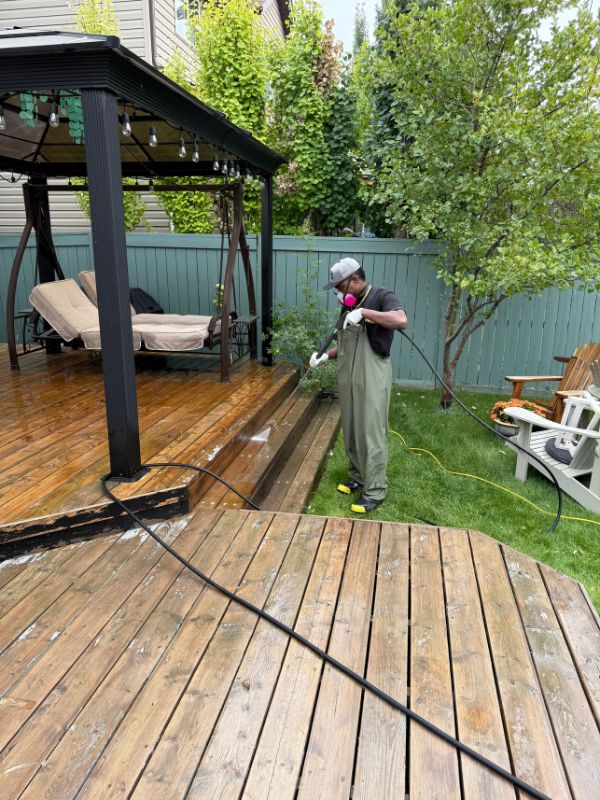

Keeping your home’s exterior clean in Calgary isn’t just about appearances. With the city’s unique weather patterns and environmental conditions, regular pressure washing protects your investment and keeps surfaces safe and functional. Most Calgary homeowners should pressure wash their home’s exterior once per year, typically in late spring or early summer. However, the ideal frequency depends on several factors, including your home’s location, surrounding environment, and the specific surfaces that need cleaning.
Understanding when and how often to clean different areas of your property helps you maintain curb appeal, prevent damage, and extend the life of your exterior materials. This guide provides specific recommendations for Calgary’s climate so you can create a maintenance schedule that works for your home.
Why Regular Exterior Cleaning Matters in Calgary’s Climate
Calgary presents unique challenges for home exteriors. The city experiences intense UV exposure with over 300 days of sunshine annually, chinook winds that deposit dust and debris, freeze-thaw cycles that stress materials, and dry conditions that allow dirt and grime to accumulate quickly. These factors work together to make your home’s exterior dirty faster than in many other Canadian cities.
Regular pressure washing protects your home’s materials from deterioration caused by accumulated contaminants. Algae, mold, dirt, and pollutants don’t just look bad. They can break down paint, stain concrete, and weaken wood over time. By cleaning surfaces before damage occurs, you extend the lifespan of your siding, concrete, decking, and other outdoor features while maintaining property value.
Clean exteriors also create healthier living spaces. Mold and mildew growth on exterior walls can eventually affect indoor air quality, particularly near windows and doorways. Slippery algae on walkways poses safety risks for family members and visitors. Regular maintenance addresses these concerns before they become serious problems.
Recommended Pressure Washing Frequency by Surface Type

Different surfaces around your home have varying cleaning needs based on their material composition, exposure to elements, and typical use patterns. Following surface-specific schedules helps you prioritize your maintenance budget and time while ensuring every area gets appropriate attention.
Siding and Exterior Walls
Most Calgary homes benefit from annual pressure washing of siding and exterior walls. The best time for this cleaning is late spring or early summer, typically May through June, after winter debris has settled but before peak summer heat. This timing allows you to remove accumulated dirt, pollen, and winter grime while preparing your home for outdoor entertaining season.
Homes in certain locations may need more frequent attention. If your property sits near high-traffic roads, active construction zones, or areas with heavy tree pollen, consider cleaning twice per year. Properties with south or west-facing walls that receive intense sun exposure often develop algae or mildew in shaded corners where moisture collects, requiring additional spot treatments between annual cleanings.
The type of siding material also influences frequency. Vinyl siding shows dirt readily and benefits from consistent annual cleaning. Wood siding requires gentler soft washing methods but similar yearly attention. Stucco and brick are more forgiving but still accumulate pollutants that should be removed annually to prevent permanent staining.
Driveways and Walkways
Concrete driveways should be pressure washed at least once annually, with spring being the ideal season. Calgary’s winter road maintenance leaves salt residue, sand, and chemical de-icers on driveways that can cause permanent damage if not removed promptly. Spring cleaning also addresses oil stains, tire marks, and the general accumulation of winter dirt.
High-traffic driveways may require attention every six to eight months to maintain both appearance and safety. Properties with multiple vehicles, frequent visitors, or driveways that double as play areas for children benefit from this increased frequency. Oil leaks, rust stains, and organic growth appear faster with heavy use and should be addressed before they set permanently into concrete pores.
Walkways and pathways need similar attention, particularly where moisture tends to collect. Shaded walkways along the north side of homes often develop slippery algae growth that creates hazards. These areas may need spot cleaning between full driveway washes to ensure safe passage year-round.
Decks and Patios
Wood decks require annual soft washing, ideally performed in early summer before applying protective sealants or stains. This timing allows the wood to dry completely in warm weather before sealing. Cleaning removes dirt, mildew, and weathered wood fibers, creating a clean surface that accepts stain or sealant evenly for better protection.
Composite decking is more forgiving but still benefits from cleaning every 12 to 18 months. While composite materials resist rot and insect damage, they can develop surface mold, mildew, and discoloration from organic debris. Regular cleaning maintains the manufacturer’s warranty on many composite products and keeps your outdoor living space attractive and functional.
Concrete patios follow similar guidelines to driveways, requiring annual spring cleaning at minimum. Patios used frequently for grilling, entertaining, or as pet areas may need additional attention to remove food spills, grease, and organic stains that attract insects and create unsightly spots.
Fences and Outdoor Structures
Wooden fences should be cleaned every one to two years depending on their exposure to weather and proximity to vegetation. Fences surrounded by trees or gardens accumulate more organic debris, sap, and moisture that promote mildew growth, requiring more frequent cleaning. Open fences in sunny locations with good air circulation may only need attention every two years.
Vinyl and metal fences are lower maintenance, typically needing cleaning every two to three years or when visible dirt accumulates. These materials resist organic growth better than wood but still collect dust, pollen, and pollution that dull their appearance over time. A quick wash restores their look and removes corrosive contaminants before they cause damage.
Gazebos, pergolas, and other outdoor structures follow similar schedules based on their materials. Wood structures need annual or bi-annual attention, while metal or vinyl structures can go longer between cleanings unless they’re heavily used or exposed to tree debris.
Factors That Increase Cleaning Frequency Needs

While general schedules provide useful starting points, several factors specific to your property may require more frequent cleaning. Understanding these variables helps you adjust your maintenance plan to match your home’s actual needs rather than following generic timelines.
Environmental and Location Factors
Homes surrounded by trees experience significantly more organic debris, sticky sap, and algae growth than properties with open yards. Tree canopies create shade and retain moisture, conditions that promote mold and mildew. Fallen leaves, seed pods, and pollen accumulate on all horizontal surfaces. If your property has substantial tree coverage, plan to clean exterior surfaces every six to eight months rather than annually.
Properties near busy streets face different challenges. Vehicle emissions, brake dust, tire particles, and general road dirt settle on homes closest to traffic. This contamination accumulates faster than natural dirt and often contains oils that attract and hold additional grime. Homes within two blocks of major roads typically need cleaning twice per year to prevent permanent staining and deterioration.
Your home’s orientation to the sun also affects cleaning needs. South and west-facing surfaces receive Calgary’s intense sunshine for most of the day, which accelerates fading and material breakdown. However, the shaded, moist areas on these same surfaces, such as under eaves or beside bushes, can develop algae and mildew faster than fully exposed areas. Properties with varied sun exposure often benefit from more frequent spot cleaning of problem areas.
Seasonal Weather Impact
Calgary’s spring pollen season, typically April through June, leaves a yellow-green film on all exterior surfaces. This coating not only looks unappealing but can stain porous materials if left too long. Addressing spring pollen promptly prevents it from bonding to surfaces as summer heat sets in. Many homeowners schedule their annual wash specifically to coincide with post-pollen cleanup.
After severe storms, hail events, or extended rainy periods, inspect your home’s exterior for new dirt accumulation or organic growth. Storms can splash mud onto siding, deposit debris in corners, and create conditions where mold and mildew take hold quickly. A post-storm inspection helps you catch problems early when they’re easiest and least expensive to address.
Winter conditions create their own maintenance needs. Salt and sand used for ice management on walkways and driveways create stubborn stains that require professional attention in spring. The freeze-thaw cycles Calgary experiences force moisture into cracks and crevices where it promotes deterioration. Spring cleaning becomes essential for removing winter damage before it worsens during the next cold season.
Signs Your Home Needs Immediate Pressure Washing
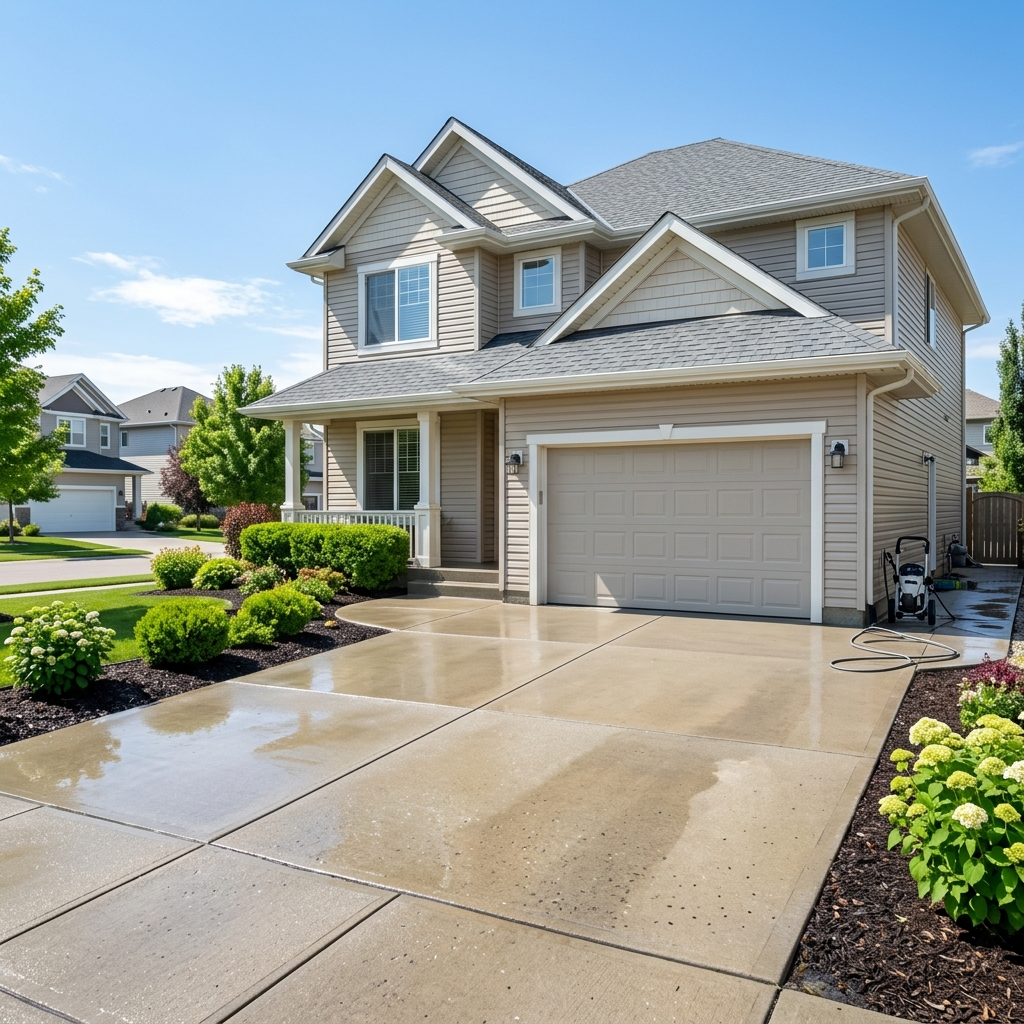
Sometimes your home tells you it needs cleaning regardless of your regular schedule. Recognizing these signs helps you address problems before they cause permanent damage or safety issues. Visible green or black streaks on siding, decks, or concrete indicate algae, mold, or mildew growth. These organisms aren’t just unsightly. They actively break down materials and can affect air quality near windows and doors.
Discoloration or uneven fading on surfaces shows dirt patterns that have been accumulating for too long. When you can see clear lines where rain has washed away some dirt but not all, your surfaces need attention. These patterns indicate that contaminants have begun bonding to the surface material, making them harder to remove the longer you wait.
Sticky residue from tree sap, bird droppings, or insect activity becomes harder to remove over time. Fresh deposits wash away easily with appropriate cleaning methods, but aged residue can require harsh chemicals or aggressive scrubbing that damages underlying surfaces. Addressing these problems promptly saves time and protects your materials.
Reduced curb appeal matters, especially if you’re planning to list your home for sale. Real estate professionals consistently report that clean exteriors photograph better, create positive first impressions, and contribute to higher sale prices. Even if you’re not selling, maintaining appearance preserves neighborhood aesthetics and your own enjoyment of your property.
Slippery surfaces on walkways or decks create immediate safety hazards. Algae growth becomes slick when wet, creating fall risks for family members and visitors. If you notice slippery areas, address them immediately rather than waiting for your scheduled cleaning. Safety always takes priority over maintenance schedules.
Soft Wash vs. Pressure Wash: Choosing the Right Method
Understanding the difference between pressure washing and soft washing helps you protect your home’s surfaces while achieving thorough cleaning. Pressure washing uses high-pressure water streams, typically 2,000 to 4,000 PSI, ideal for durable surfaces like concrete, brick, stone pavers, and certain types of hardwood. This method excels at removing ground-in dirt, oil stains, and stubborn grime from surfaces that can withstand forceful cleaning.
Soft washing applies low-pressure water, usually under 1,000 PSI, combined with eco-friendly cleaning solutions that break down organic growth and lift dirt without mechanical force. This method works perfectly for delicate surfaces like vinyl siding, wood siding, stucco, painted areas, asphalt shingles, and composite decking. The cleaning solutions do the work rather than water pressure, preventing damage while achieving excellent results.
Many Calgary homes benefit from combination approaches where different surfaces receive appropriate treatment methods. Professional services assess each area’s material, condition, and contamination type to determine the safest, most effective cleaning approach. Your concrete driveway might receive high-pressure washing while your vinyl siding gets soft-washed during the same service visit.
Using the wrong method can cause serious damage. High pressure can strip paint, gouge wood, crack vinyl siding, force water behind exterior walls where it causes mold and rot, and etch concrete or stone. Low pressure with improper cleaning solutions may not remove stubborn stains effectively. Professional knowledge of which method suits which surface protects your investment while ensuring thorough cleaning.
Creating a Maintenance Schedule for Calgary Homes

Establishing a regular cleaning schedule removes guesswork and ensures your home receives consistent care. A structured approach helps you budget for maintenance, plan around Calgary’s weather patterns, and catch small problems before they become expensive repairs.
Spring Cleaning Strategy
Schedule comprehensive exterior cleaning in May or early June after winter debris settles and temperatures consistently stay above freezing at night. This timing allows surfaces to dry properly after cleaning and gives you the full growing season to enjoy clean outdoor spaces. Spring cleaning focuses on removing salt stains, winter grime, and accumulated pollen and preparing surfaces for summer entertaining and outdoor activities.
Start with a thorough inspection of all exterior surfaces. Look for winter damage such as loose siding, cracked concrete, damaged caulking, or areas where moisture has caused problems. Address repairs before cleaning so you don’t force water into damaged areas. Once repairs are complete, cleaning can proceed systematically from top to bottom, allowing runoff to carry dirt away from already-cleaned areas.
Spring is also the ideal time to clean and prepare decks for sealing or staining. Wood needs several days of dry, warm weather to cure properly after cleaning and before applying protective coatings. Early June typically provides these conditions in Calgary while leaving enough summer ahead to enjoy your refreshed outdoor living spaces.
Fall Maintenance Approach
Consider a second annual cleaning in September or early October before winter sets in, especially for commercial properties, high-visibility homes, or properties with significant tree coverage. Fall cleaning removes summer dust, pollen residue, and organic growth before freeze-thaw cycles make cleaning more challenging and less effective.
Fall maintenance also prepares your home for winter weather. Clean gutters and downspouts prevent ice dams. Clean siding sheds moisture better, reducing the risk of freeze damage. Clean walkways are safer when you apply winter traction materials because salt and sand grip better on clean concrete than on dirty surfaces where they tend to blow away.
Properties that host outdoor events, maintain high curb appeal for business purposes, or simply want a pristine appearance year-round benefit from this biannual approach. The cost of two cleanings per year is often less than repairing damage caused by neglect, making fall maintenance a smart investment.
Spot Cleaning Throughout the Year
Address specific problem areas like oil stains, graffiti, or localized mold growth as soon as they appear. Quick interventions prevent permanent staining and reduce the need for aggressive cleaning methods later. Keep basic cleaning supplies on hand for minor touch-ups between professional services.
Bird droppings, tree sap, and insect residue should be removed within a few weeks of appearance. These organic materials contain acids that etch and stain surfaces permanently if left too long. A simple rinse with a garden hose and mild detergent often suffices for fresh spots, saving the expense of professional treatment.
Oil and grease stains on driveways penetrate concrete pores quickly. Addressing them within days using absorbent materials and degreasers prevents them from spreading and deepening. Old oil stains often require professional-grade hot water pressure washing that fresh stains don’t need.
Benefits of Professional Eco-Friendly Cleaning Services
While DIY pressure washing appeals to some homeowners, professional services offer significant advantages that often outweigh the cost difference. Advanced water reclaim systems reduce water consumption by up to 80% compared to standard pressure washing while achieving superior cleaning results. These systems capture, filter, and reuse water, making professional cleaning more environmentally responsible than DIY methods.
Professional-grade equipment adjusts pressure levels appropriately for each surface type, preventing damage from incorrect technique. Experienced technicians understand how different materials respond to pressure and cleaning solutions. They know when to use 3,500 PSI on a concrete driveway but only 800 PSI with cleaning solutions on vinyl siding. This expertise protects your investment and ensures thorough cleaning without causing harm.
Eco-friendly cleaning solutions break down organic growth effectively without harming landscaping, pets, or Calgary’s water systems. Professional services use biodegradable products that meet environmental standards while outperforming household cleaners. These solutions target specific contaminants like algae, mildew, and organic stains, making them more effective than generic detergents.
Trained technicians identify potential issues during the cleaning process. They spot loose siding, damaged caulking, early wood rot, cracked concrete, and other problems that homeowners often miss. Early detection of these issues allows for timely repairs before minor problems become major expenses. This inspection value alone often justifies the cost of professional service.
Time savings and safety benefits eliminate risks of ladder work, equipment rental, and physically demanding labor. Professional crews complete in hours what might take homeowners entire weekends. They carry liability insurance protecting you from potential property damage or personal injury. For annual or biannual maintenance, professional services offer better value, results, and peace of mind than DIY approaches.
How Calgary’s Climate Affects Cleaning Frequency
Calgary’s unique climate creates specific maintenance needs different from other Canadian cities. The city’s low humidity and high elevation create conditions where dirt and dust settle quickly on all surfaces. Dry conditions mean that once dirt lands, it tends to stay rather than being washed away by frequent rains. This characteristic makes regular scheduled cleaning more important than in humid climates where natural rainfall provides some cleansing action.
Chinook winds deposit significant dust and debris, particularly during winter and spring transitions. These warm, dry winds can raise temperatures dramatically in winter but also carry fine particles that coat everything. Post-chinook cleaning often reveals just how much material these winds deposit. Properties with west-facing surfaces receive the brunt of chinook effects and may need additional attention.
The city’s 300-plus days of sunshine per year accelerate UV damage and fading on all exterior materials. While this sunshine is wonderful for residents, it breaks down paint, stain, and surface materials faster than in cloudier climates. Regular cleaning removes dirt and contaminants that accelerate UV damage, while protective sealants applied to clean surfaces provide better defense against sun exposure.
Freeze-thaw cycles unique to Calgary can trap moisture in cracks and crevices, expanding and contracting materials repeatedly throughout winter and spring. This process breaks down surfaces over time. Spring cleaning becomes essential for removing winter accumulation and allowing surfaces to dry completely before summer heat. Clean surfaces shed moisture better than dirty ones, reducing freeze-thaw damage in subsequent winters.
Calgary’s relatively low precipitation means that once your home is clean, it tends to stay cleaner longer than in rainy climates. This characteristic actually works in favor of homeowners, making annual cleaning sufficient for many properties where bi-annual cleaning might be needed in wetter regions. However, the tradeoff is that when dirt does accumulate, it isn’t washed away naturally, making scheduled maintenance more important.
DIY vs. Professional Pressure Washing: What to Consider
Many homeowners consider renting pressure washing equipment to save money, but several factors should influence this decision. Rental equipment lacks pressure adjustment capabilities and specialized nozzles needed for safe, effective cleaning across different surfaces. Most rental units offer only high-pressure settings suitable for concrete, making them risky for siding, wood, and other delicate materials. Using inappropriate pressure can cause damage that costs far more than professional cleaning.
Improper technique creates multiple risks. High-pressure water can strip paint, gouge wood, crack vinyl siding, shatter windows, and force water behind exterior walls where it causes mold and structural damage. The angle at which you hold the wand, distance from the surface, and spray pattern all affect results. Without training, homeowners often leave streaks, miss areas, or damage materials while attempting to achieve thorough cleaning.
Personal safety concerns include falls from ladders, injuries from high-pressure water streams, electrical hazards near outlets and fixtures, and physical strain from handling equipment. Pressure washers generate enough force to cut skin and inject water or debris under the skin, causing serious injuries requiring medical treatment. Professional technicians train extensively on safety protocols and use appropriate protective equipment.
Professional services include liability insurance protecting homeowners from potential property damage or personal injury. If a professional damages your siding or a technician gets injured on your property, their insurance handles the situation. DIY efforts leave you responsible for any damage to your property or injuries to yourself or others helping you.
The cost difference between DIY and professional services narrows when factoring in all expenses. Equipment rental runs $100 to $200 per day, plus deposits. Cleaning solutions, safety equipment, and your time investment add to costs. If you damage anything during the process, repair costs can exceed what professional service would have cost initially. For annual or biannual maintenance, professional services offer better value, results, and peace of mind.
Environmental considerations also favor professional services. Consumer-grade equipment wastes significant water, often using 3 to 5 gallons per minute without reclaim capabilities. Water with cleaning solutions and contaminants flows directly into storm drains. Professional services with water reclaim systems use less water overall and dispose of wastewater properly, meeting environmental regulations and protecting Calgary’s water quality.
Frequently Asked Questions
What is the best time of year to pressure wash a house in Calgary?
Late spring through early summer, typically May through June, offers the best conditions for pressure washing in Calgary. Temperatures are warm enough for surfaces to dry quickly, winter debris has settled, and you have the full summer ahead to enjoy clean exteriors. Fall cleaning in September or early October works well as a second annual service before winter arrives.
Can pressure washing damage my home’s siding or exterior surfaces?
Yes, improper pressure washing can damage siding, strip paint, force water behind walls, crack vinyl, and gouge wood. Professional services prevent damage by adjusting pressure levels for each surface type, using soft washing techniques on delicate materials, and maintaining proper spray angles and distances. Vinyl siding, stucco, and wood should receive soft washing with low pressure and cleaning solutions rather than high-pressure streams.
How long does professional pressure washing take for an average Calgary home?
Most residential properties take 2 to 4 hours for comprehensive exterior cleaning, depending on home size, surface types, and contamination levels. A typical single-family home with siding, driveway, and walkways usually requires 2 to 3 hours. Larger properties with extensive decking, fencing, or multiple structures may take 4 to 6 hours. Professional crews work efficiently while ensuring thorough results.
Is pressure washing safe for the environment and Calgary’s water systems?
Professional eco-friendly pressure washing using water reclaim systems and biodegradable cleaning solutions is safe for the environment. These systems capture and filter wastewater, preventing contaminants from entering storm drains. Biodegradable cleaning solutions break down naturally without harming plants, pets, or water systems. Always choose services that prioritize environmental responsibility and follow local regulations.
Should I pressure wash before painting or staining my deck?
Yes, cleaning is essential before applying any paint or stain. Dirt, mildew, and weathered surface material prevent proper adhesion of coatings, leading to premature peeling and failure. Clean surfaces allow stains and paints to penetrate properly and bond effectively. Schedule soft washing at least 3 to 5 days before painting or staining so wood can dry completely.
How much does professional pressure washing cost in Calgary?
Professional pressure washing in Calgary typically costs between $200 and $600 for average homes, depending on property size, services included, and surface conditions. Driveways alone run $100 to $250, while complete exterior packages including siding, walkways, and decks range from $400 to $800. Multiple services or annual contracts often receive discounted rates. Request quotes from reputable providers for accurate pricing based on your specific needs.
Can I pressure wash my home in winter or cold weather?
Pressure washing in freezing temperatures is not recommended. Water can freeze on surfaces, in equipment, and on walkways, creating hazards. Surfaces don’t dry properly in cold weather, trapping moisture that can cause damage during freeze-thaw cycles. Most professional services operate from April through October in Calgary when temperatures support proper cleaning and drying. Emergency spot cleaning for safety hazards like ice buildup may be possible with specialized equipment and immediate ice management.