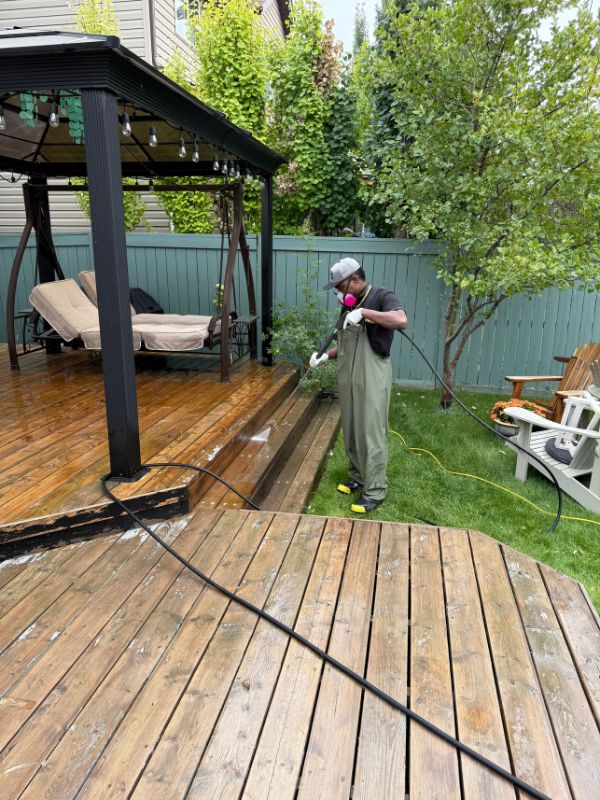

Your home’s exterior is the first thing people see, and in Calgary, it takes a beating year-round. Between freeze-thaw cycles, spring runoff, windblown dust, and heavy UV exposure, dirt and grime build up faster than most homeowners realize. Recognizing the signs your home exterior needs cleaning early can save you from expensive repairs down the line. This guide walks you through everything you need to spot, what causes it, and when to call in professional exterior cleaning in Calgary.
Why Exterior Cleaning Is Important for Calgary Homes
Calgary’s climate is harder on home exteriors than most people expect. The city experiences sharp temperature swings, strong chinook winds that carry dust and debris, heavy spring rainfall, and periods of intense summer sun. All of these conditions work together to push moisture, organic material, and grime deep into siding, concrete, and roofing surfaces.
When that buildup is ignored, it does more than look bad. Mold and algae hold moisture against surfaces, which over time softens wood, degrades sealants, and causes stucco to crack. Efflorescence on brick weakens the surface layer. Grime sitting on a driveway or deck can lead to slipping hazards and surface erosion. The structural and safety costs of neglect far outweigh the cost of routine professional cleaning.
Eco-friendly professional cleaning, like what Geokat Clean Pro provides across Calgary, is one of the smartest proactive maintenance moves a homeowner can make. Rather than waiting for visible damage, treating your exterior annually or bi-annually keeps surfaces healthy, extends the life of paint and finishes, and keeps your property looking sharp without harmful chemicals or wasteful water runoff.
What Does Dirty Exterior Buildup Actually Look Like?

Some exterior buildup is obvious. A dark green streak running down your siding or a black patch spreading across your roof shingles is hard to miss. But not all grime announces itself so clearly. Calgary homeowners often notice that their siding simply looks “off” or that their driveway seems darker than it used to be, without connecting it to accumulated dirt, algae, or mold.
Organic growth like mold and algae can spread quietly for months before becoming visible. By the time you notice the discoloration, it has often already taken hold below the surface layer. That is why understanding what to look for, including the subtle signs, matters as much as spotting the obvious ones.
Green or Black Streaks on Siding
Green or black streaks on siding are one of the most common signs of algae or mold growth. Algae tends to appear as green or greenish-gray patches, often in shaded or moisture-rich areas of the home. Mold typically presents as darker black or brown streaking and can spread quickly under the right humidity conditions.
Both organisms thrive in Calgary’s spring and summer seasons when moisture and warmth combine. Vinyl, stucco, and wood siding are all susceptible, though wood is particularly vulnerable because it absorbs moisture. When you see these streaks, the right solution is soft wash treatment, not standard pressure washing. High-pressure water can drive mold deeper into porous surfaces and damage siding. A low-pressure soft wash with the right cleaning solutions kills the organism at the source and rinses it safely away.
White Chalky Residue or Efflorescence on Brick and Concrete
If you have noticed a white, powdery coating on your brick walls, concrete steps, or masonry surfaces, that is efflorescence. It forms when water moves through porous material and carries dissolved salts to the surface. As the water evaporates, the salts remain behind as a white residue.
Efflorescence is common in Calgary due to the freeze-thaw cycle, which repeatedly forces moisture in and out of masonry. While it is not structurally dangerous on its own at early stages, it indicates moisture movement that, if left unchecked, can contribute to surface deterioration. Professional exterior cleaning removes it safely using the right techniques without etching or damaging the underlying masonry.
Staining Around Windows, Gutters, and Downspouts
Dark streaks running below window frames, gutters, and downspouts are a telltale sign of organic runoff, hard water deposits, or rust. As rainwater flows over roofing materials and through gutters, it picks up debris, tannins from leaves, and mineral deposits that leave staining trails down the exterior walls.
These areas are frequently overlooked in basic cleaning routines, yet they are among the most visible parts of a home’s exterior. Addressing staining around windows and gutters is a key part of any comprehensive exterior wash. Left alone, these stains become progressively harder to remove and can permanently discolor siding and trim.
How Calgary’s Weather Accelerates Exterior Grime
Calgary sits in a unique climate zone that puts above-average stress on home exteriors compared to many other Canadian cities. Chinook winds sweep in warm, dry air that carries dust and fine debris from surrounding prairies, coating surfaces in a thin but persistent layer of grit. When that is followed by rain or snowmelt, the dust binds to siding, concrete, and roofing and becomes much harder to remove.
The freeze-thaw cycle is another major factor. As temperatures drop below zero at night and rise during the day, water trapped in surface pores expands and contracts repeatedly. This weakens sealants and surface coatings, making them more susceptible to staining and organic growth. Spring runoff from snow melt then carries that trapped grime down walls and across driveways.
Hail, which Calgary sees more of than most Canadian cities, leaves behind a residue of broken-down surface material and displaced dirt that settles into cracks and textured surfaces. All of these conditions mean that Calgary homeowners typically need professional exterior cleaning more frequently than homeowners in milder climates. An annual clean is the minimum for most properties, with twice-yearly cleaning recommended for homes with heavy tree cover or north-facing shaded walls.
Is It Time for a Professional Wash? Key Indicators to Watch For
Not sure if your home has reached the point where professional attention is needed? A common question Geokat Clean Pro hears is: “How do I know if my home actually needs exterior cleaning?” The honest answer is that most Calgary homes reach that point sooner than their owners expect.
Here are the key signs to look for:
- Visible mold, mildew, or algae growth on siding, fencing, or roof surfaces
- Driveway or walkway discoloration, including gray-green patches or dark staining in traffic areas
- Siding that looks faded or dingy even though the paint is not peeling or cracked
- Roof staining or dark patches, particularly on north-facing slopes
- Persistent musty odors near exterior walls, under decks, or around shaded areas
- It has been more than 12 months since the last professional exterior clean
If two or more of these apply to your home, it is time to act. Waiting longer does not make the cleaning easier; it makes the buildup more stubborn and increases the risk of surface damage.
When Should You Call a Professional Instead of DIY Cleaning?
DIY pressure washing is tempting, especially with consumer-grade pressure washers readily available at hardware stores. But there is a significant gap between what a garden hose or entry-level washer can do and what professional equipment achieves. For most Calgary homes dealing with mold, algae, efflorescence, or heavy grime, professional service is the better call.
Professional-grade equipment operates at higher flow rates and uses calibrated pressure settings suited to each surface type. More importantly, professional services like Geokat Clean Pro use advanced water reclaim systems that prevent contaminated runoff from entering storm drains, which is both environmentally responsible and increasingly relevant under municipal guidelines. DIY pressure washing often sends mold spores, cleaning chemicals, and debris directly into drainage systems.
There is also the risk of surface damage. Too much pressure on vinyl siding can crack or warp panels. On wood, it can raise the grain and create entry points for moisture. On roofs, it can strip protective granules from shingles. Soft washing, which a professional will use for sensitive surfaces, delivers the right cleaning solution at low pressure and is far safer than forcing a consumer washer to do a job it was not designed for.
What Types of Exterior Surfaces Show Buildup Most Quickly?
Different surfaces accumulate grime at different rates, and each one requires a specific cleaning approach.
Siding, whether vinyl, wood, or stucco, tends to collect algae and mold in shaded zones, especially on north and east-facing walls where sunlight and drying time are limited. Driveways and concrete walkways pick up oil stains, tire marks, and embedded dirt quickly and benefit from high-pressure washing to restore their surface. Wood decks and fences are among the fastest to show weathering, with graying, mold growth, and blackening common after a single Calgary winter.
Roofs accumulate algae and lichen slowly but consistently, and the dark streaks that result are often mistaken for weather aging when they are actually living organisms eating into roofing material. Commercial facades, particularly glass, metal cladding, and concrete panels, develop a dull film from urban pollution and exhaust that is only visible once a clean section is compared to a dirty one. Each of these surfaces responds best to a method matched to its material. Soft washing works well for roofs, siding, and wood. High-pressure washing is appropriate for concrete, brick, and industrial surfaces.
How Professional Eco-Friendly Cleaning Addresses These Signs
Geokat Clean Pro approaches exterior cleaning in Calgary with a system designed to get results without cutting corners on environmental responsibility. The company uses advanced water reclaim technology to capture and contain runoff, preventing contaminated water from entering the city’s storm drainage system. This matters especially in Calgary, where runoff from cleaning products can impact local waterways if not managed correctly.
The cleaning products Geokat Clean Pro uses are eco-friendly and biodegradable, effective against mold, algae, and heavy grime without the harsh chemicals that can bleach surfaces or harm landscaping. For delicate surfaces like roofing, siding, and painted wood, soft washing applies cleaning solutions at low pressure to break down and lift buildup safely. For high-traffic surfaces like concrete driveways, commercial pavement, and industrial floors, high-pressure washing provides the deeper clean those surfaces require.
Geokat Clean Pro serves residential, commercial, and industrial clients across Calgary, making it a practical choice whether you need a single-family home freshened up before selling or a large commercial property maintained on a regular schedule. The goal in every case is the same: clean surfaces, protected materials, and results that last.
Frequently Asked Questions
What are the most obvious signs that my home’s exterior needs cleaning?
The most obvious signs are visible green or black streaks on siding, dark patches on roof surfaces, staining around windows or gutters, and a driveway or walkway that looks significantly darker or discolored. If your exterior looks dingy or faded overall, that is also a strong indicator that grime has built up across the surface.
How do I know if the streaks on my siding are mold, algae, or just dirt?
Algae typically appears as green or gray-green patches and is common in shaded, damp areas. Mold is usually darker, appearing black or dark brown, and often has a fuzzy or spreading pattern. Dirt tends to be more uniform and brown in tone. If the streaks reappear quickly after rinsing with water, or if they have a textured look, mold or algae is likely the cause.
Is exterior grime in Calgary worse than in other Canadian cities?
Yes, in many ways. Calgary’s chinook winds carry prairie dust and fine debris that coats surfaces regularly. The freeze-thaw cycle creates ideal conditions for moisture-driven grime and efflorescence. Spring runoff adds organic material and sediment to the mix. Combined, these factors mean Calgary homes accumulate buildup faster than homes in more temperate or coastal cities.
Can I pressure wash my own home, or should I hire a professional?
For light surface rinsing on concrete or hardy surfaces, a consumer pressure washer may be sufficient. For anything involving mold, algae, stained siding, roofing, or wood surfaces, a professional is the safer choice. Incorrect pressure settings can damage surfaces, and DIY cleaning lacks the water reclaim systems needed to handle contaminated runoff responsibly.
How long does exterior grime typically take to build up in Calgary?
In Calgary’s climate, noticeable grime can develop within six to twelve months on most surfaces. Shaded areas, north-facing walls, and surfaces near trees or ground-level vegetation tend to show buildup faster. Most exterior cleaning professionals recommend at least one thorough clean per year, with high-exposure surfaces benefiting from twice-yearly attention.
Does a dirty exterior actually cause damage, or is it just a cosmetic issue?
It causes real damage over time. Mold and algae hold moisture against surfaces, which degrades wood, softens sealants, and causes stucco to crack. Efflorescence signals moisture movement through masonry that can lead to surface spalling. Dirty driveways and decks become slip hazards. What starts as a cosmetic issue becomes a maintenance and structural problem if left long enough.
How do eco-friendly cleaning methods compare to traditional pressure washing for removing heavy buildup?
Eco-friendly soft washing is often more effective than pressure washing for organic growth like mold and algae because it uses cleaning solutions that kill the organism rather than just blasting the surface. High-pressure washing without the right product may remove surface staining but leave roots behind, causing regrowth within weeks. Eco-friendly professional cleaning addresses both the visible buildup and the source while protecting surfaces and preventing harmful runoff.